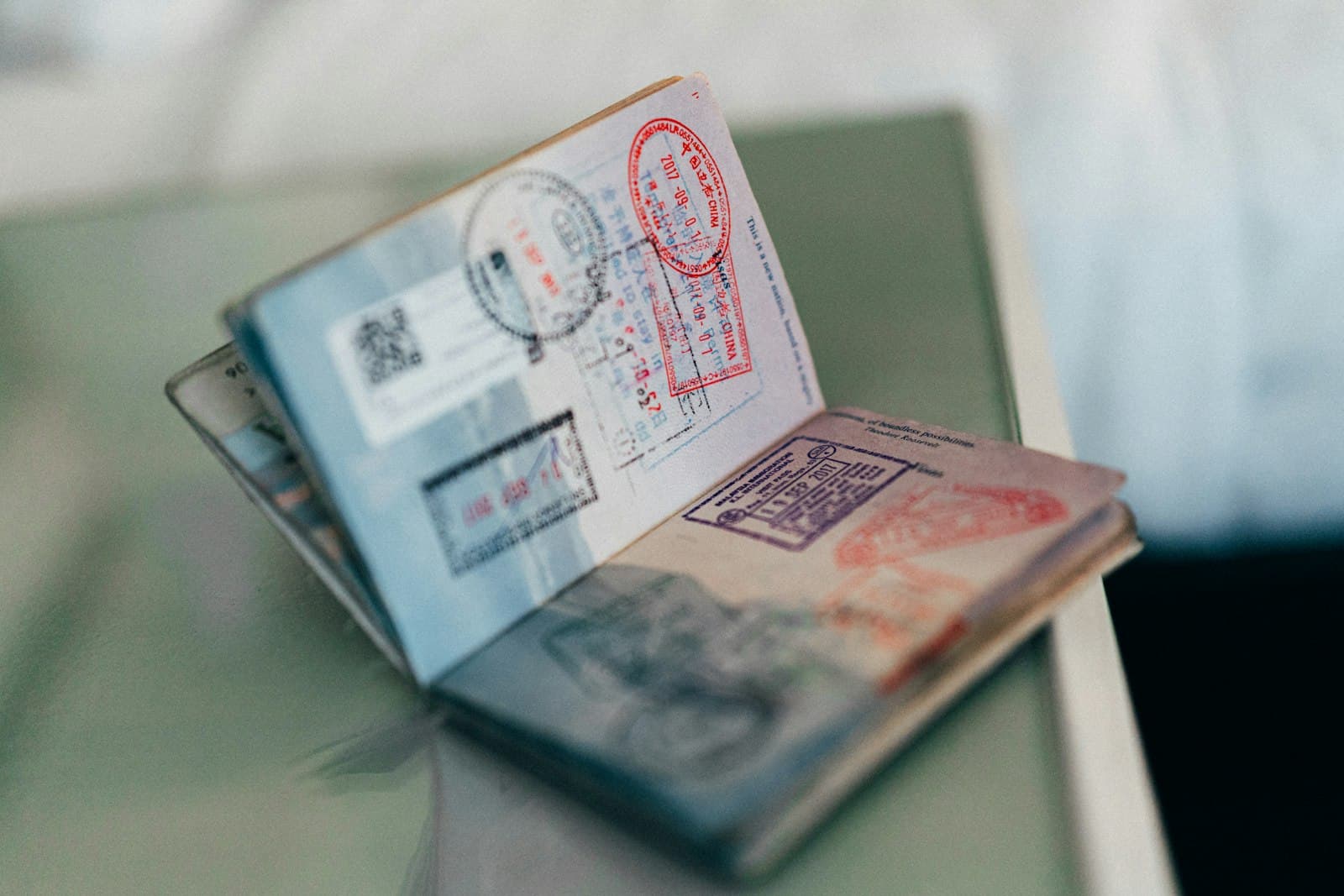
A foreign certificate means little to a Bolivian office until its origin has been verified. That is the job of an apostille or a consular legalization, and getting it wrong can send you back to the start.
What an apostille is
An apostille is a certificate attached to a public document that confirms its origin for use in another country that belongs to the Hague Apostille Convention. It is issued by a designated authority in the country where the document was created, not in Bolivia.
Apostille or consular legalization?
If your country belongs to the convention, an apostille is normally what you need. If it does not, the document usually goes through consular legalization instead, which involves more steps.
Check this first. It decides which office you go to and how long the process takes.
Documents that commonly need it
- Birth and marriage certificates
- Police or criminal record certificates
- Diplomas and academic records
- Powers of attorney and company documents
Do not forget the translation
Documents in a language other than Spanish generally need a translation. Ask which format your procedure accepts before you pay for one, and apostille the original first so the stamp can be included if required.
Watch expiry dates
Some documents, police certificates especially, are only accepted for a limited time after they are issued. Time your requests so that they are still valid on the day your file is submitted.
This article is general information, not legal advice. Immigration requirements change and depend on your case, so confirm them before you act.
Want this checked for your case?